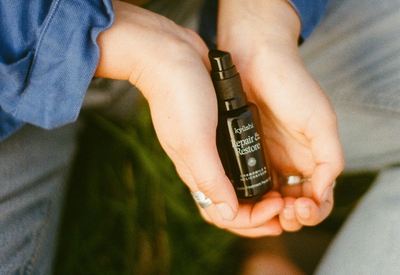
Learn more about which oils are natural allies for oil-prone skin and which may have the potential to clog pores.
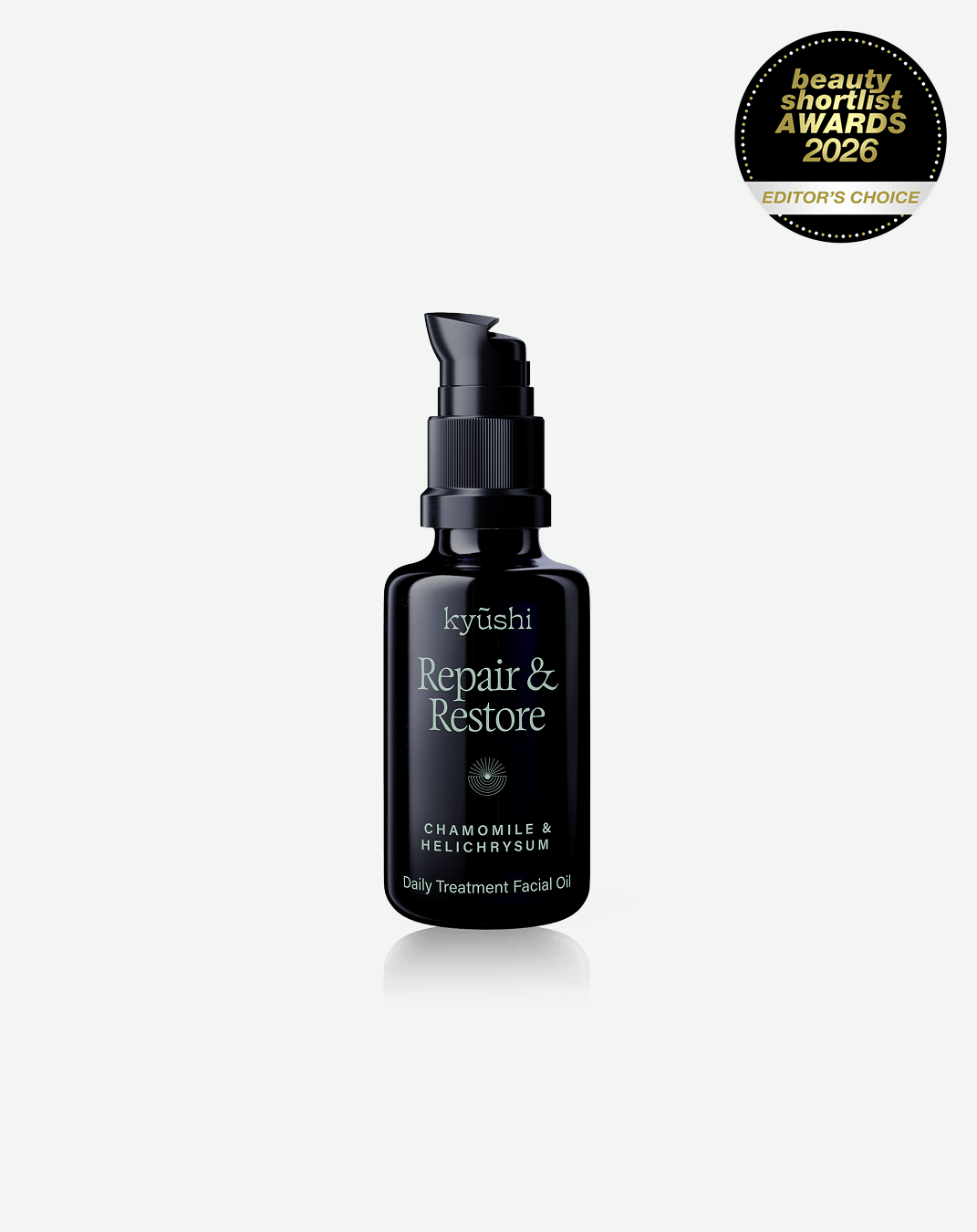
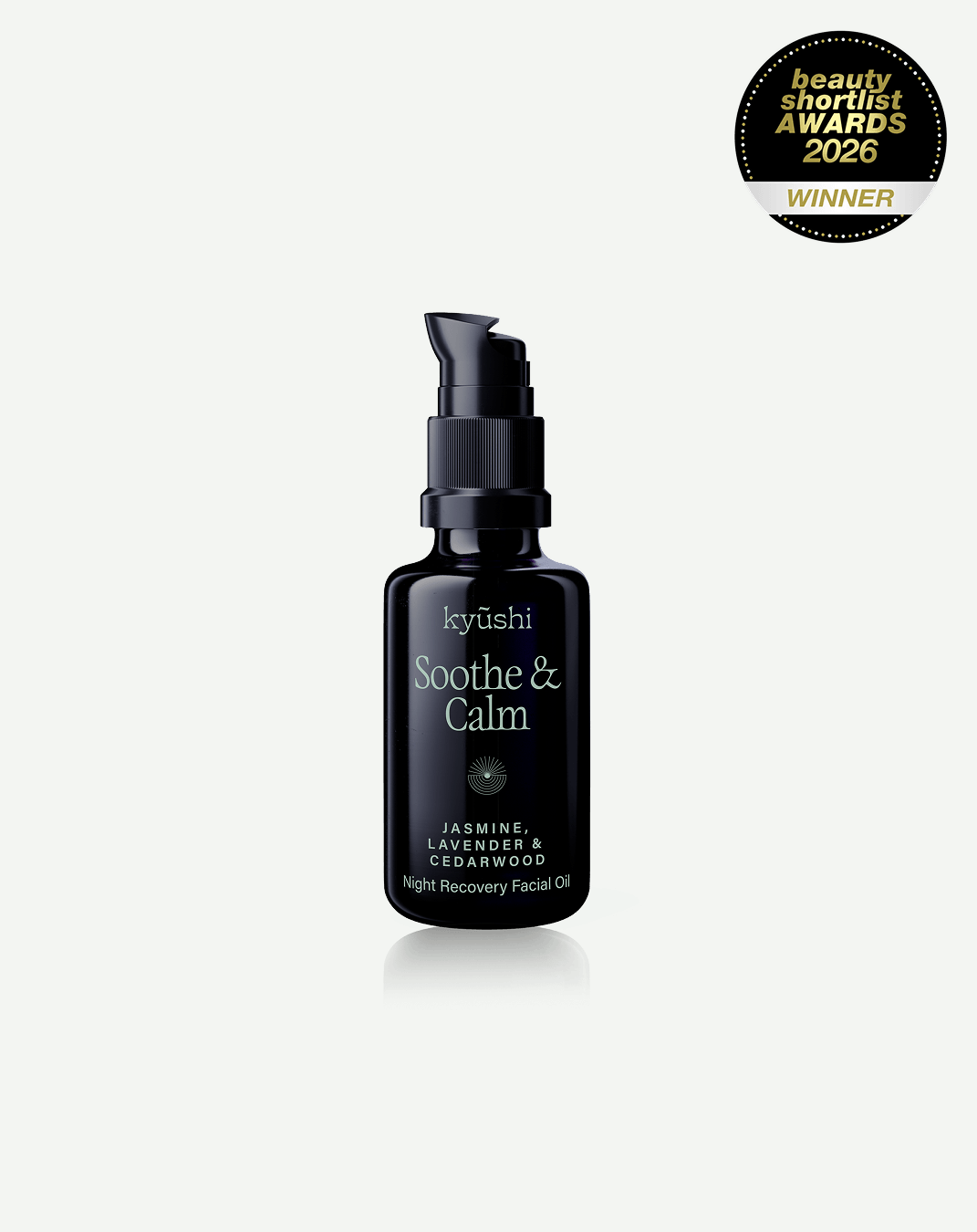
Every organic facial oil has different healing properties, but one thing several plant-based oils have in common is that they have a natural ability to deeply nourish skin without causing clogged pores. This quality is often referred to as non-comedogenic and is something people prone to acne are especially drawn to when it comes to choosing organic products.
Organic face oils can be non-comedogenic, but just because an oil is organic doesn't necessarily mean it will be non-comedogenic. Our guide explains further.
What Does Non-Comedogenic Mean?
Clogged pores are known as comedones, so if a product or ingredient is non-comedogenic, it means it is unlikely to cause blackheads, whiteheads, or bumps under the skin.
Many people often refer to the comedogenic scale created by dermatologist Dr. Albert Kligman in the late 70s, but it is important to remember that he tested ingredients on rabbit ears, not human skin, which, alongside being incredibly cruel, also created a lot of false positives and inaccuracies in his ranking system, so these aren't the best indicators.
To determine if an oil is non-comedogenic, you should look for lightweight blends that are high in linoleic acid. Acne-prone skin usually has thick, sticky sebum, but high concentrations of linoleic acid can help to thin it, preventing comedones from occurring and helping to keep skin clear.
Which Facial Oils Are Non-Comedogenic?
Argan Oil - This oil absorbs into the skin quickly and is high in fatty linoleic acids. It also contains anti-inflammatory properties, making it a popular choice for acne-prone skin.
Hemp Seed Oil - This super lightweight oil helps to balance overactive sebaceous glands without leaving any greasy buildup.
Jojoba Oil - This oil is naturally non-comedogenic and highly effective at balancing sebum production.
Rosehip Oil - Known as a dry oil, it sinks into deep skin layers quickly for maximum absorption with minimal residue left behind.
Safflower Oil - Comprising 7o% linolenic acid, this oil is a very popular choice for acne-prone skin as it balances sebum, absorbs quickly with no residue, and prevents pores from clogging.
Which Facial Oils Should Oily Skins Avoid?
Everybody's skin is different and has its own individual preferences, so we would never suggest an oil be 'avoided' completely. That being said, certain oils are more likely to block pores than others.
Coconut Oil - This incredibly thick oil is deeply moisturising but may sit on the skin, allowing dirt to become trapped, leading to clogged pores and acne.
Wheat Germ Oil - This oil contains high levels of oleic acid, which can cause sebum, bacteria, and dead cells to build up on the skin, causing clogging.
Soybean Oil - The rich consistency of this oil, coupled with its high levels of phytosterols, can cause it to alter the skin's lipid barrier and cause clogged pores.
Tips For Choosing An Organic Face Oil If You Are Prone To Oiliness
Remember that what works for others may not work for you, so always be open to new ingredients, regardless of your skin type. Always test a new organic facial oil slowly, building up the amount you use over time to ensure your skin is reacting well. Look for products that are clearly labeled as non-comedogenic and check ingredient lists to ensure thick, potential pore-clogging oils aren't present.
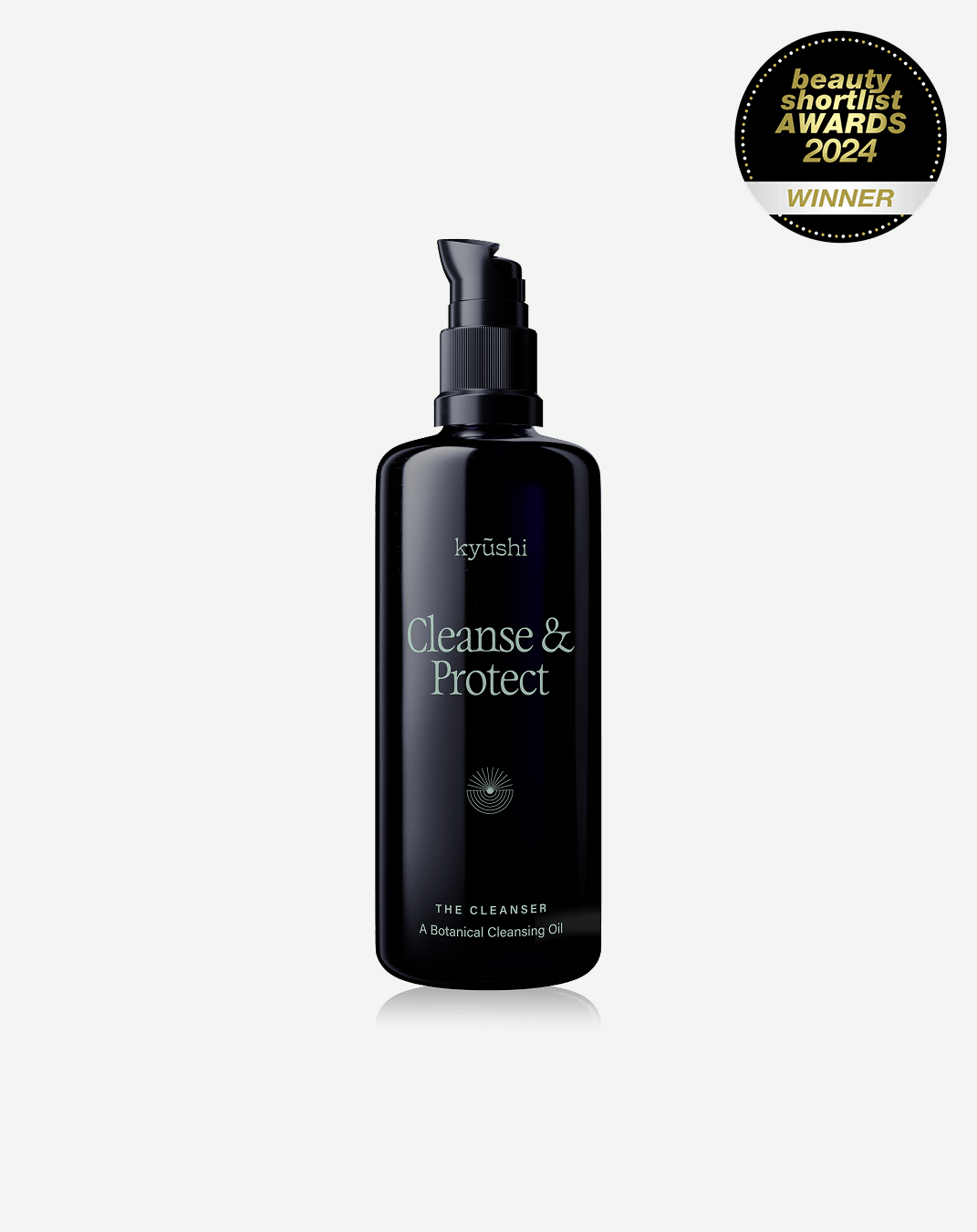
All Kyūshi facial oils are blended to be non-comedogenic. For those looking to treat acne, we particularly recommend Balance & Ground, our naturally calming botanical blend that sinks deep into the skin to soothe congestion without clogging pores. You can find it here.